

Why the same patterns repeat across different trips
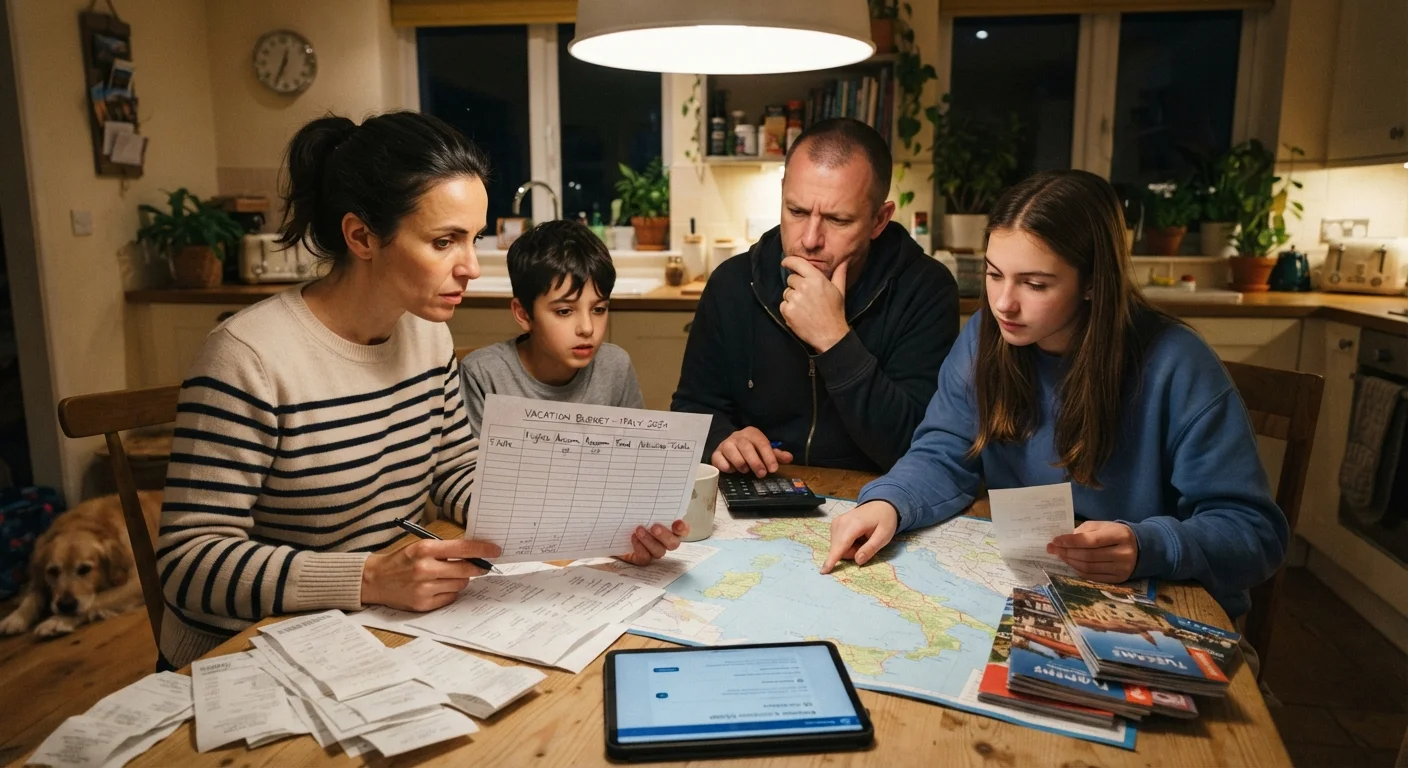
Most family vacation budgets are built around the costs that are easiest to find: airfare, hotel nightly rate, and the gate price for a major attraction. That approach produces a number that feels reasonable, then falls apart once the trip is actually underway. The shortfall rarely comes from one large unexpected expense. It comes from several smaller ones that were predictable but never tracked.
These patterns recur because the travel industry is structured around them. Fees appear late in the checkout process. Upgrades are presented at high-excitement moments. Add-ons are priced to feel modest against a large trip total. None of this is accidental, and recognizing the structure makes it easier to plan around it.
The same dynamic shows up in household spending generally. Everyday habits that drain household budgets follow a similar logic: costs that appear small in isolation accumulate into meaningful totals over time. Vacation spending just compresses that process into a week or two.
Budgeting only the headline price and ignoring fees and surcharges.
Why it happens: Resort fees, parking charges, and booking surcharges are rarely shown upfront, so families plan around the advertised rate and absorb the extras as surprises at checkout.
Underestimating how much a family spends on food each day.
Why it happens: Families often estimate meal costs based on a single adult meal price, forgetting that children's meals, snacks between activities, and convenience-store stops add up across multiple people and multiple days.
Accepting impulse upgrades at booking or on arrival.
Why it happens: Airlines, hotels, and car rental desks present upgrades at the moment of purchase, when families are excited and the incremental price feels small relative to the total trip cost.
Not accounting for park and attraction add-ons.
Why it happens: Theme parks and tourist attractions frequently structure their pricing so that the gate ticket is just the entry point, with dining plans, skip-the-line passes, and character experiences each sold separately.
Ignoring ground transportation costs between the airport and accommodations.
Why it happens: Families focus on airfare as the big-ticket item and treat local transport as an afterthought, not realizing that rideshares or rental cars for a family of four can cost as much as a night of lodging.
Assuming 'free' activities have no real cost.
Why it happens: Families see 'free admission' and mentally record the activity as zero cost, overlooking parking, nearby food spending, and travel time that triggers other purchases.
Building a budget that accounts for the real costs
A workable family travel budget separates fixed costs (flights, accommodation, car rental) from variable daily costs (food, transport, activities) and includes a third category for fees and incidentals. That third category is where most families leave gaps.
Per-person pricing changes everything
Many families budget based on adult pricing, then discover children's tickets, kid menus, or extra seats carry separate charges. For a family of four, a $15 underestimate per person becomes $60 per activity. Run every cost through a per-person multiplier before finalizing any budget.
For a practical starting framework, family travel planning basics covers airfare timing, room-sharing rules, and how to sequence decisions to avoid locking in costs before you have the full picture. The spending habits that surface on vacation also tend to mirror patterns at home, which monthly spending traps documents in a different context. Treating both seriously produces a clearer picture of where money actually goes.
The content provided on our blog site traverses numerous categories, offering readers valuable and practical information. Readers can use the editorial team’s research and data to gain more insights into their topics of interest. However, they are requested not to treat the articles as conclusive. The website team cannot be held responsible for differences in data or inaccuracies found across other platforms. Please also note that the site might also miss out on various schemes and offers available that the readers may find more beneficial than the ones we cover.